Posted on 29/09/2026
Dulwich Park flower display rules for weddings: a practical guide for planning beautiful, respectful floral setups
If you are planning a wedding near Dulwich Park, the flower side of the day can feel wonderfully simple at first, then oddly complicated the moment you start asking what is allowed where. The Dulwich Park flower display rules for weddings matter because park spaces, paths, lawns, entrances, and nearby ceremony areas all need to stay safe, tidy, and considerate for everyone else using the park. That means the best floral plan is not just pretty; it is sensible, compliant, and easy to manage on the day.
This guide breaks the topic down in plain English. You will find out how flower displays are usually handled, what to check before you order arrangements, how to avoid common mistakes, and how to choose wedding flowers that suit a public park setting without causing last-minute stress. To be fair, that little bit of planning can save a lot of fiddly work later.
Table of Contents
- Why Dulwich Park flower display rules for weddings Matters
- How Dulwich Park flower display rules for weddings Works
- Key Benefits and Practical Advantages
- Who This Is For and When It Makes Sense
- Step-by-Step Guidance
- Expert Tips for Better Results
- Common Mistakes to Avoid
- Tools, Resources and Recommendations
- Law, Compliance, Standards, or Best Practice
- Options, Methods, or Comparison Table
- Case Study or Real-World Example
- Practical Checklist
- Conclusion
- Frequently Asked Questions
Why Dulwich Park flower display rules for weddings Matters
Flowers are often one of the first things guests notice. They set the tone before anyone has even sat down. But in a public park, floral decoration is not simply a matter of placing a few bouquets around and hoping for the best. The rules, permissions, and practical limits exist to protect the park, keep access clear, and make sure your event does not disrupt other visitors.
That is why understanding the flower display rules for weddings in Dulwich Park is so useful. If you know the expectations early, you can plan arrangements that work with the venue rather than against it. You also reduce the chance of a supplier delivering something too large, too fragile, or unsuitable for the setting. And yes, it happens more often than people think.
There is also the visual side. A park wedding usually looks best when the flowers feel organic, light, and well integrated with the surroundings. Think soft whites, muted greens, seasonal colour, and arrangements that complement rather than overpower the landscape. In a place like Dulwich Park, that often looks better than anything overly structural or heavily staged.
Expert summary: the smartest wedding flower plans for Dulwich Park are the ones that balance beauty, access, safety, and practicality. Pretty is good. Pretty and manageable is better.
How Dulwich Park flower display rules for weddings Works
In practice, flower display rules for a park wedding usually come down to five things: placement, size, fixings, timing, and removal. That sounds dull on paper. In real life, it is what keeps your setup elegant instead of messy.
1. Placement
Flowers may be fine in designated ceremony or reception areas, but not in ways that block pathways, entrances, seating, or public access. Parks are shared spaces, so anything that changes circulation needs careful thought.
2. Size and footprint
Large floral arches, oversized urns, floor arrangements, and long aisle markers can be beautiful, but they also need room. If the display feels heavy or cramped, it can make the space awkward for guests and staff. Small to medium arrangements are often easier to place neatly.
3. How things are fixed in place
Public grounds are usually not the place for drilling, staking into sensitive surfaces, or using adhesive that leaves marks. Free-standing arrangements, weighted bases, and reusable mechanics are usually better options. If a florist says, "we can just secure it anywhere," that is the moment to ask a few more questions.
4. Timing
Delivery windows, setup time, and collection time all matter. A wedding day in a public park often has a tighter schedule than a hotel ballroom, because there may be other users, events, or access restrictions around you. Morning light can be lovely for setup, but it also means you need a team who can move efficiently.
5. Removal and cleanup
Once the ceremony is over, flowers and display materials normally need to be taken away cleanly and promptly. Left-behind petals, ribbon, cable ties, and packaging can become a nuisance fast. Nobody wants the aftermath to look like a floristry explosion.
When you understand these parts, the process feels far less mysterious. It also helps you brief your florist properly, which is half the battle.
Key Benefits and Practical Advantages
Following the rules is not just about compliance. It can actually improve the whole wedding experience.
- Less stress on the day: if your flowers fit the venue, there is less chance of emergency reshuffling.
- Better photos: well-placed arrangements frame the ceremony naturally and avoid visual clutter.
- Smoother supplier coordination: florists, venue staff, and planners all work more easily when there is a clear plan.
- Lower risk of damage: correct placement and fixings help protect lawns, paths, and planting areas.
- More graceful guest flow: people can move comfortably without squeezing around displays.
There is a quieter benefit too. A carefully planned flower display makes your wedding feel respectful of the setting. That matters in a public park where other people are walking dogs, pushing prams, or just trying to enjoy a normal afternoon. The best setups feel celebratory without taking over the whole place.
For couples choosing their arrangements, browsing the wedding-focused ranges on a specialist florist site can help narrow things down. Collections such as wedding flowers and matching items like bridal bouquets, bridesmaid bouquets, and buttonholes can make the planning feel less scattered.
Who This Is For and When It Makes Sense
This topic matters most if you are any of the following:
- a couple planning a wedding or civil ceremony with floral styling near Dulwich Park
- a wedding planner coordinating a public-space ceremony
- a florist delivering wedding arrangements into a park location
- a family member helping with setup and not wanting to guess what is allowed
- an event stylist trying to create a natural, polished look without overloading the site
It also makes sense if you are still deciding whether to use the park for the ceremony itself or just for photographs. A couple of simple bouquets and buttonholes may be enough for a photo stop, while a full floral scheme for a ceremony area needs more careful planning. In our experience, that distinction saves people from buying far more than they need.
If your wedding is intimate, seasonal, or budget-conscious, the right floral plan can still feel beautiful. You do not need a grand installation to make the setting work. Often the smaller details do the heavy lifting: a coordinated bridal bouquet, a neat table arrangement, and one or two statement pieces that fit the surroundings.
Step-by-Step Guidance
If you want a simple way to approach Dulwich Park flower display rules for weddings, start here.
- Confirm the exact ceremony or display area. Not every part of the park will have the same practical conditions. Know where your flowers will actually go.
- Ask what size and type of arrangement is suitable. Free-standing pieces, bouquets, buttonholes, table flowers, and ceremony features all have different requirements.
- Check access for delivery and collection. A florist needs to know parking, walking distance, and timing. A lovely arrangement is no use if it arrives late because nobody can unload it.
- Choose flowers that suit the season. Seasonal blooms are usually easier to source and tend to look more at home in a park setting.
- Decide what needs fixing and what can stay freestanding. This is where practical design matters. Some pieces are meant to be moved around; some are not.
- Keep the public environment in mind. Avoid setups that create trip hazards, block sightlines, or shed a lot of loose material.
- Plan removal in advance. Assign someone to clear away arrangements, packaging, and any leftover materials after the event.
If you want to simplify the flower selection side, it can help to choose from a narrower wedding range rather than starting from scratch. For example, a coordinated collection such as white wedding flowers or romantic wedding flowers can offer a more consistent look without needing endless mix-and-match decisions. Simple, really. And a bit of a relief.
Expert Tips for Better Results
The difference between "nice flowers" and "that looks effortlessly right" is usually in the details.
Keep the palette calm
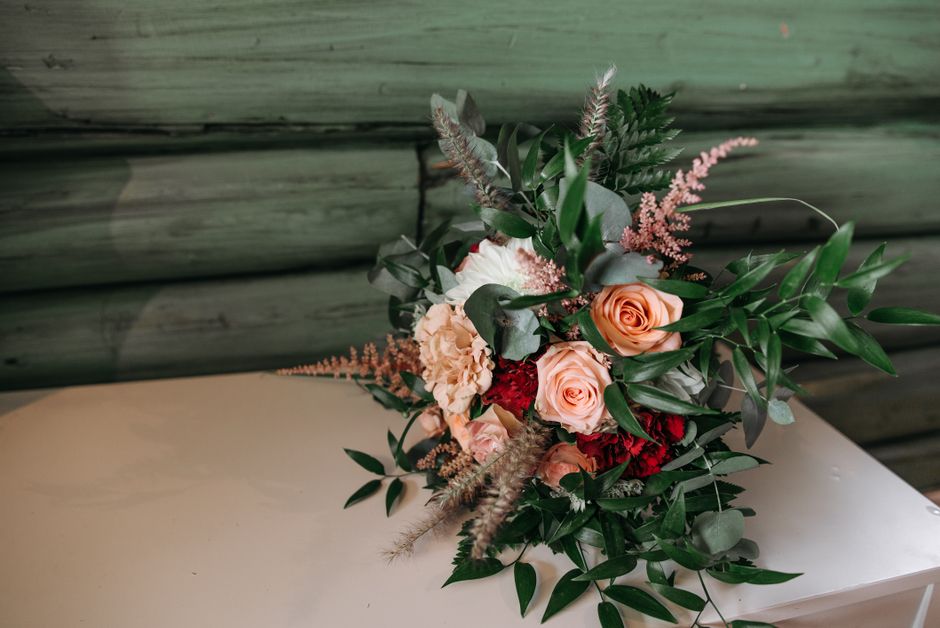
In a leafy park, very loud colour can work, but it needs confidence. Softer tones tend to blend better with grass, trees, and natural light. Whites, creams, blush, lilac, and pale peach are reliable choices if you want the flowers to feel elegant rather than busy.
Use structure sparingly
One clean focal point is often enough. A compact arch, a feature bouquet, or a disciplined table design can look more refined than several competing elements. Too many "hero" pieces and the whole thing starts to wobble visually.
Think about wind and weather
Outdoor flowers need to behave themselves. Light stems, tall top-heavy arrangements, and delicate petals can suffer if the weather turns breezy. A florist with outdoor experience will normally account for this, but it is worth asking anyway. The weather in London likes to keep people honest.
Match the flowers to the use case
Bridal bouquets and buttonholes can be slightly more detailed because they are handled closely and photographed up close. Table flowers and park displays should be more robust. That is a useful rule of thumb.
Ask for transport-safe packaging
Especially if flowers are travelling across London, you want arrangements that arrive fresh and stable. If you are ordering from a local florist, the practical side is often easier to manage. A dedicated local option such as a florist in Dulwich SE21 can be helpful when timing is tight.
A small aside: a wedding florist once told a couple, "The flowers only need to look effortless; they do not need to have had an effortless day." That, to be fair, is exactly right.
Common Mistakes to Avoid
Most problems come from assuming the setup will be simpler than it is. It usually is not.
- Ordering oversized arrangements too early: beautiful on paper, awkward in a public park.
- Ignoring access routes: if a florist cannot unload easily, everything becomes slower and more expensive in time.
- Using too much loose decor: scattered petals, ribbon ends, and tiny accessories can become messy fast outdoors.
- Forgetting removal plans: the day ends, but the clean-up still needs doing.
- Choosing flowers without checking seasonality: some blooms look amazing but are harder to source reliably.
- Failing to coordinate with the rest of the wedding styling: flowers should work with the dress, tableware, signage, and venue mood.
Another common slip is treating the park like a private indoor venue. It is not. The public setting changes everything from placement to presentation. That is not a problem; it just means the plan should be realistic.
Tools, Resources and Recommendations
You do not need fancy software to plan wedding flowers well, but a few practical tools help a lot.
- A simple mood board: collect 6 to 10 images showing colour, shape, and texture you like.
- A written layout sketch: note where bouquets, buttonholes, table flowers, and any display pieces will go.
- Delivery details sheet: include arrival time, contact name, access notes, and collection time.
- Guest count and table plan: useful for estimating how many arrangements you actually need.
- Seasonal flower shortlist: focus on blooms that are likely to be in good condition on your date.
If you are still comparing options, it can help to browse broader collections before narrowing down the wedding pieces. The site's all flowers range and luxury flowers section can be useful starting points, while flower care guidance can help you keep arrangements fresh before and during the day. For ordering and logistics, it is also worth reviewing delivery information so there are no surprises.
If you are working to a tighter budget, there is no shame in that. Plenty of beautiful wedding flower plans are built with restraint. A smaller, thoughtful design almost always beats a bigger, muddled one.
Law, Compliance, Standards, or Best Practice
Because Dulwich Park is a public space, wedding flower displays should be approached with the same care you would use for any outdoor event in a shared area. The exact rules may depend on permissions, event arrangements, and the specific area you are using, so it is wise to confirm details directly with the relevant venue or event contact rather than assuming anything.
From a best-practice point of view, there are a few sensible principles to keep in mind:
- Do not obstruct public access. Paths, entrances, and visibility lines should remain clear.
- Avoid damaging surfaces or planting. Ground fixings, weights, and supports should be chosen carefully.
- Keep displays stable. Outdoor flowers need secure bases and sensible heights.
- Remove everything cleanly. Leave no packaging, ties, wires, or floral foam behind unless it has been specifically approved and handled properly.
- Coordinate with suppliers. The florist should know any timing or site limitations before arranging delivery.
It is also sensible to check any broader wedding terms, payment details, and supplier conditions before you finalise a booking. If you are ordering bespoke wedding flowers, reviewing the florist's terms and conditions, payment information, and returns and refund policy can help you understand what happens if plans change. For peace of mind, many couples also like to read the florist's guarantees and about us page before ordering. It just feels safer when the basics are clear.
One practical note: if your flower display is part of a larger wedding setup, ask whether reusable mechanics or low-waste methods are available. That often aligns better with park etiquette and keeps the cleanup lighter. Good manners, good design. Nice combination.
Options, Methods, or Comparison Table
Different wedding flower styles suit Dulwich Park in different ways. Here is a quick comparison to help you decide.
| Flower display style | Best for | Advantages | Possible drawbacks |
|---|---|---|---|
| Simple bouquets and buttonholes | Intimate ceremonies, photos, small weddings | Easy to carry, elegant, low-risk | Less visual impact for larger ceremony spaces |
| Table arrangements | Reception areas, lunch or drinks tables | Neat, flexible, easy to match the venue | May not create enough drama on their own |
| Free-standing feature pieces | Entrance points, ceremony focal areas | Strong visual effect, good for photos | Need more planning, more stable bases, and more space |
| Matching wedding collections | Coordinated styling across the day | Consistent look, less decision fatigue | Can feel too uniform if not varied carefully |
For many couples, the sweet spot is a combination: a beautiful bridal bouquet, coordinated bridesmaid pieces, neat buttonholes, and one or two stronger focal arrangements. If you want a more cohesive style, wedding ranges such as The Perfect Match Wedding Collection or True Happiness Wedding Collection can be a good reference point for colour consistency and styling ideas.
Case Study or Real-World Example
Here is a realistic example based on the kind of wedding flower planning people often do for a park ceremony.
A couple plans a late-spring wedding in Dulwich. They want a calm, natural look, not a big formal production. Initially they imagine a large floral arch, several aisle arrangements, and heavily decorated tables. But once they look at the space properly, they realise that much of that would feel cramped and would take too long to set up safely.
So they scale the plan back. They choose one bridal bouquet, two bridesmaid bouquets, matching buttonholes, and a pair of compact table arrangements for the drinks area. They also add a single freestanding feature arrangement near the ceremony point so the photos still have a focal detail. The final effect is elegant and relaxed. Guests can move freely. The space feels considered, not crowded. And the couple still gets the flowers they wanted.
That is the basic lesson, really: a good park wedding flower plan is not the biggest one. It is the one that fits the place, the pace, and the people using it.
Practical Checklist
Use this before confirming your order or briefing your florist.
- Have you confirmed the exact ceremony or display area?
- Do you know whether your planned arrangements are suitable for an outdoor park setting?
- Have you checked access for delivery, unloading, and collection?
- Are your flowers seasonal or realistically available for your date?
- Will the arrangements stay stable in light wind or changing weather?
- Have you avoided blocking paths, entrances, or guest movement?
- Do you know who is responsible for removal after the event?
- Have you reviewed supplier terms, payment, and refund details?
- Does your floral style match the rest of the wedding decor?
- Have you kept a backup plan in case the weather shifts?
Quick takeaway: if a flower display is beautiful, practical, and easy to clear away, it is probably a good fit for Dulwich Park.
Conclusion
The best way to approach Dulwich Park flower display rules for weddings is to treat them as part of the design process, not an annoying extra. Once you understand the practical limits of a public park, the choices become easier. You can focus on flowers that suit the space, support the flow of the day, and look lovely in real life rather than just in a mood board.
Small, thoughtful decisions usually win here. A carefully chosen bouquet, a clean ceremony focal point, and arrangements that are easy to manage will do more for the atmosphere than overcomplicated styling ever could. And honestly, that calmer approach often makes the day feel more special.
If you are still at the planning stage, take a breath, gather your ideas, and keep the setup simple enough to enjoy. That is usually where the beauty is.
Get a free quote today and see how much you can save.
Frequently Asked Questions
What are the Dulwich Park flower display rules for weddings?
They are the practical expectations around where flowers can be placed, how they should be secured, and how they are removed after use. In a public park, the main concerns are safety, access, and protecting the site.
Can I use a large floral arch for a wedding in Dulwich Park?
Possibly, but only if the exact location and setup allow it. Large structures need space, stability, and careful placement so they do not block access or become unsafe in wind.
Are petals allowed on the ground?
That depends on the area and the event permissions. Even where petals are acceptable, you should avoid anything that creates slip risk or leaves a messy cleanup.
What flowers work best for a park wedding?
Seasonal, sturdy blooms usually work best. Roses, lisianthus, alstroemeria, and similar flowers are often popular because they can look elegant without being too delicate for an outdoor setting.
Do I need a florist who knows park weddings?
It helps a lot. A florist with outdoor event experience is more likely to think about stability, transport, timing, and cleanup rather than just the visual side.
How far in advance should I plan the flower displays?
As early as possible, especially if your wedding is in spring or summer. Early planning gives you a better chance of getting the right flowers and a realistic setup plan.
Can I bring my own flowers and arrange them myself?
Sometimes yes, but you should check the venue expectations first. DIY can work for small bouquets or simple table flowers, though it gets trickier with public-space setups and timing.
What should I avoid when styling flowers in a park?
Avoid oversized displays, unstable stands, loose materials that blow away, and anything that could block paths or damage the park. Less fuss, more finesse.
Are table flowers better than big ceremony pieces?
Not always, but they are often easier to manage. Table flowers are simpler to place and remove, while big ceremony pieces need more planning and room.
How do I make the flowers look luxurious without overdoing it?
Focus on quality, colour harmony, and a few well-placed focal pieces. A polished bouquet and one strong feature arrangement can feel far more luxurious than lots of competing decorations.
What if the weather changes on the wedding day?
Build in flexibility. Ask for flowers and mechanics that can handle a light breeze or damp conditions, and have a simple backup plan for relocation if needed.
Where can I find wedding flower options quickly?
You can start with a dedicated wedding collection such as wedding flowers, then narrow things down to bouquets, buttonholes, and table arrangements that match your venue and budget.